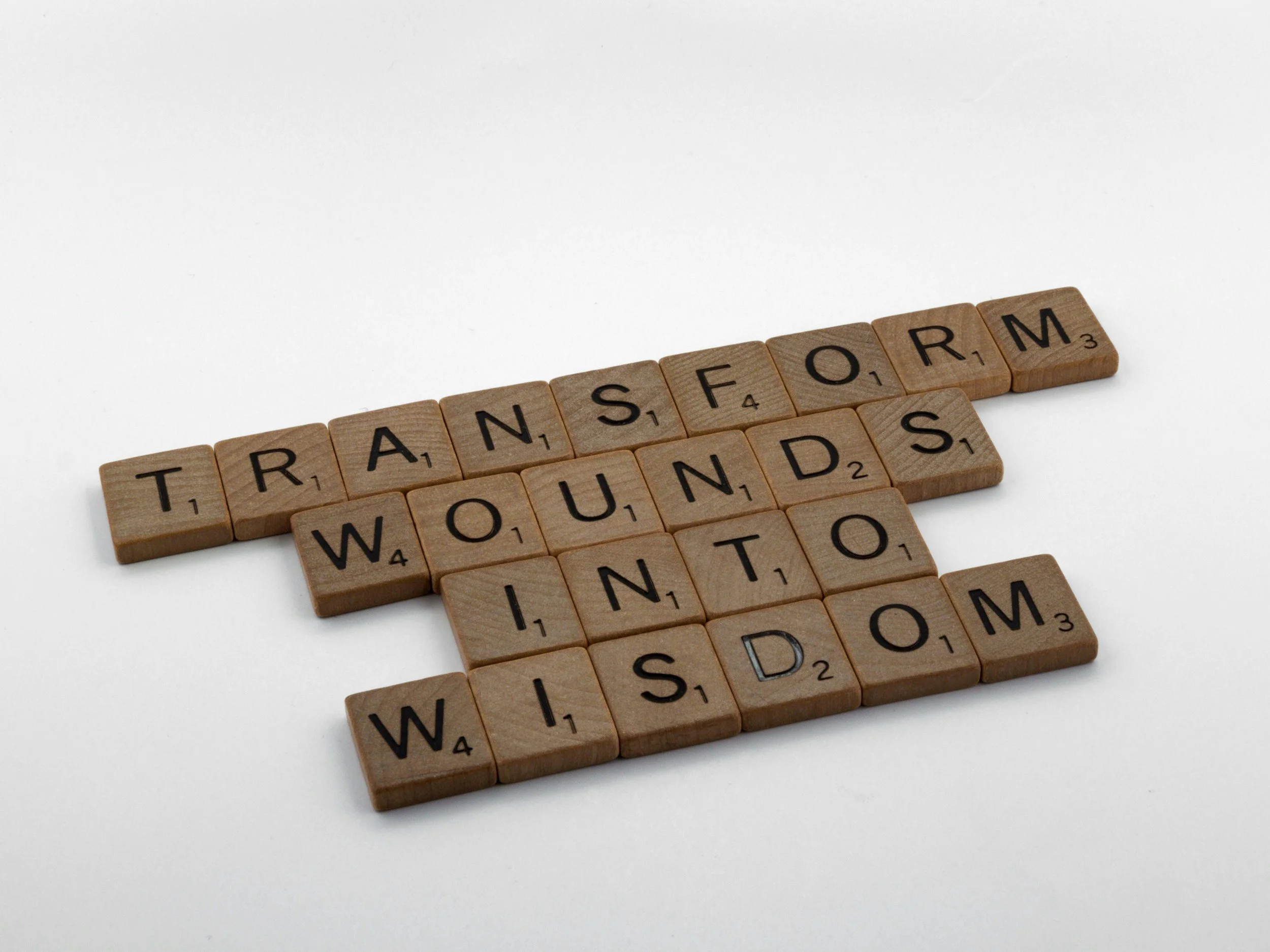
Understanding Trauma Therapy: What It Is and How It Can Help
Jennifer Douglas, MS, Licensed Clinical Professional Counselor- Intern
Trauma is often misunderstood
Many people believe trauma only refers to extreme or life-threatening events. While those experiences can certainly be traumatic, trauma is not defined only by what happened—it is also defined by how those experiences were held in your mind and body.
You may have gone through something that others would not immediately recognize as trauma, yet still feel its effects in your daily life. You may notice anxiety, emotional overwhelm, difficulty trusting yourself, or a sense of disconnection that is hard to explain.
These responses are not signs that something is wrong with you. They are signs that your system learned how to protect you.
How Trauma Can Show Up
Trauma can impact many areas of your life, often in ways that feel confusing or frustrating.
You may notice:
• Feeling easily overwhelmed or emotionally reactive
• Difficulty trusting your instincts or decisions
• Patterns in relationships that are hard to change
• Feeling disconnected from your body or emotions
• A constant sense of being “on edge”
• Knowing something logically, but not feeling it emotionally
These experiences can make it feel like you are stuck, even when you are trying to move forward.
What Trauma Therapy Is (and What It Isn’t)
Trauma therapy is not about forcing you to relive painful experiences or pushing you to talk about things before you’re ready.
Instead, it is about creating a space where your experiences can be understood with care and where healing can happen at a pace that feels safe and manageable.
In trauma therapy, we focus on:
• Understanding how past experiences may still be impacting you
• Building tools to support emotional stability and regulation
• Gently processing experiences when you feel ready
• Reconnecting with your body and internal sense of safety
• Strengthening your ability to trust yourself
Healing happens gradually, not all at once.
Why Insight Alone Isn’t Always Enough
Many people come to therapy already understanding their experiences on a logical level.
You may know why you feel the way you do. You may even recognize your patterns. But despite that understanding, something still feels stuck.
This is because trauma is not only stored in thoughts—it is also held in the body and nervous system.
Trauma-focused approaches such as EMDR, Parts & Memory Therapy, and somatic work go beyond insight. They help your system process experiences more fully so they no longer feel as overwhelming.
What Healing Can Look Like
Healing from trauma does not mean forgetting what happened.
It means that your past no longer feels like it is controlling your present.
Over time, many people begin to notice:
• Feeling more grounded and less reactive
• Greater emotional stability
• Increased self-trust and confidence
• Healthier boundaries in relationships
• A stronger connection to themselves
Healing often looks like subtle but meaningful shifts—feeling more at ease, more clear, and more like yourself.
You Don’t Have to Do This Alone
If you have been carrying difficult experiences for a long time, it can feel overwhelming to even consider starting therapy.
You don’t have to have everything figured out before reaching out.
Therapy is simply a space to begin understanding what you’ve been carrying and to start moving forward in a way that feels supportive and manageable.
You deserve a space where your experiences can be understood—and where healing can begin at your pace.